The 12 scams of Christmas
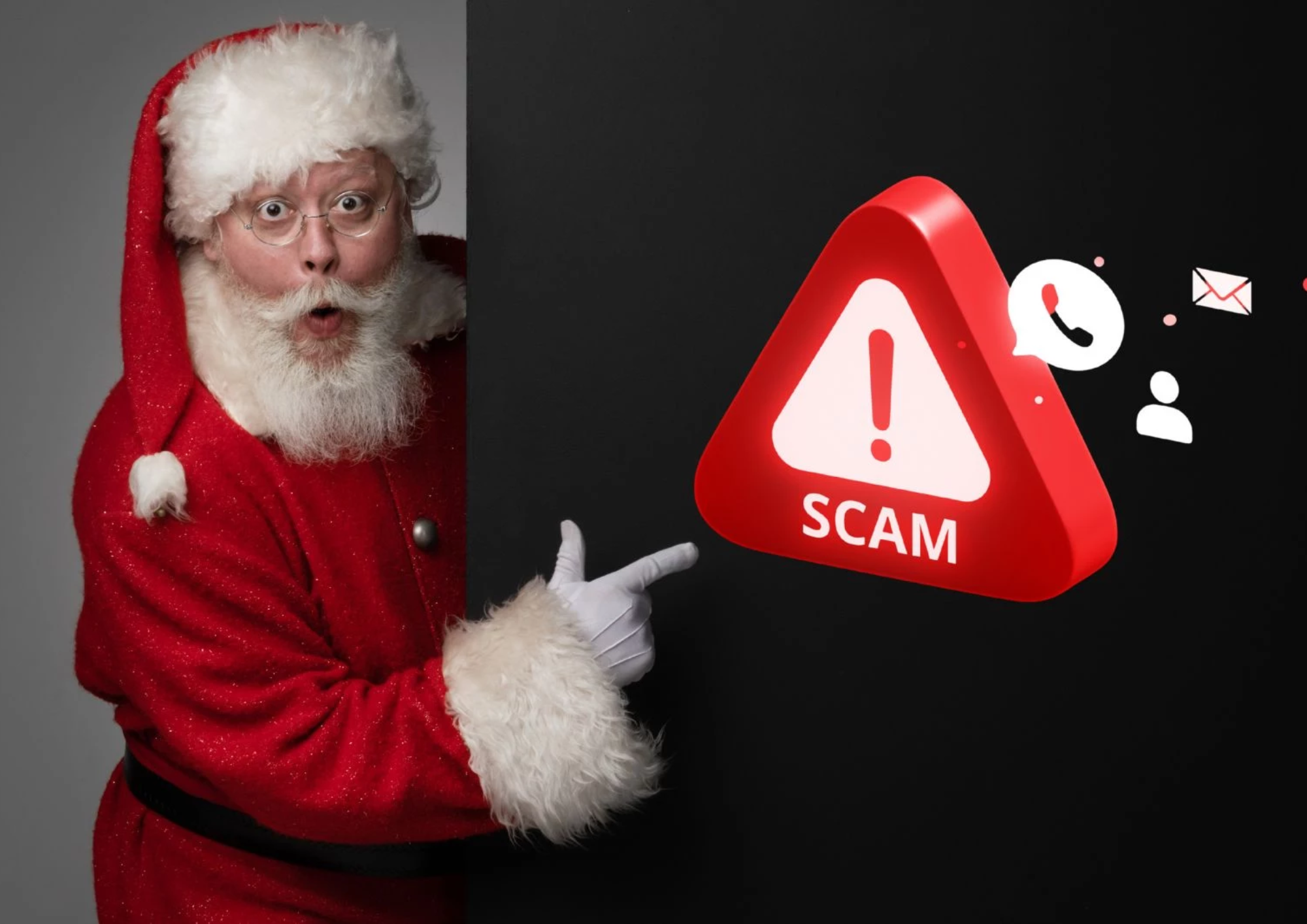
The 12 Scams of Christmas
What to watch out for and how to protect yourself and others...
Christmas is a time for giving, connecting with loved ones and spreading good will. Unfortunately, it’s also one of the busiest times of year for criminals. In the UK, fraud consistently spikes in the run-up to Christmas, as criminals take advantage of online shopping, busy schedules and festive generosity.
As Friends Against Scams, we want everyone to enjoy a scam-free Christmas. Here are 12 of the most common scams to watch out for this festive season, and how to protect yourself and others.
1. Fake Delivery Texts and Emails
“You’ve missed a delivery” or “Pay a small fee to release your parcel.” These messages often pretend to be from Royal Mail, Evri or DPD and include a link to a fake website.
Stay safe:
- Don’t click links in unexpected messages
- Check deliveries directly on the retailer’s website
- Report scam texts by forwarding them to 7726
2. Online Deals
Criminals create fake websites or social media ads advertising popular items at massive discounts.
Stay safe:
- Be cautious of deals that seem very cheap
- Check website addresses carefully
- Pay with a credit card where possible for added protection
3. Fake Charity Appeals
Criminals exploit goodwill by pretending to collect donations for people in need at Christmas.
Stay safe:
- Check the charity on the Charity Commission website
- Don’t feel pressured to donate immediately
- Donate directly through trusted charity websites
4. Social Media Shopping Scam
Fake sellers advertise gifts on Facebook, Instagram or TikTok. Once paid, the item never arrives.
Stay safe:
- Be wary of new or unverified sellers
- Avoid paying by bank transfer
- Use secure payment methods with buyer protection
5. Gift Card Scams
Criminals may claim you owe money and demand payment via gift cards.
Stay safe:
- No legitimate organisation will ever ask for gift cards as payment
- Talk to someone you trust before making payments
- Stop immediately if gift cards are mentioned
6. Fake “Family Emergency” Messages
Messages claiming to be from a loved one asking for urgent help or money.
Stay safe:
- Pause and verify by calling the person directly
- Don’t reply or send money straight away
- Be especially cautious during busy festive periods
7. Ticket and Event Scams
Fake tickets for concerts, pantomimes or Christmas events.
Stay safe:
- Buy tickets only from official sellers
- Be cautious of resale offers on social media
- Avoid pressure to pay quickly
8. Romance Scams at Christmas
Loneliness can increase at Christmas, and criminals exploit this with fake online relationships.
Stay safe:
- Be cautious if someone avoids meeting in person
- Never send money or gifts to someone you haven’t met
- Talk openly with friends or family
9. Fake Competitions and Giveaways
Posts claiming you’ve “won” a prize but asking for personal details or payment.
Stay safe:
- Check the legitimacy of the account
- Real competitions won’t ask for bank details
- Don’t click suspicious links
10. Tech Support Scams
Unexpected calls or pop-ups claiming your device has a serious problem.
Stay safe:
- Don’t allow remote access to your computer
- Hang up and seek advice from a trusted source
- Legitimate companies won’t contact you out of the blue
11. Fake HMRC or Council Messages
Messages about tax refunds, fines or missed payments increase before Christmas.
Stay safe:
- HMRC won’t ask for personal details by text or email
- Check official government websites directly
- Don’t be rushed into payments
12. “Help Me Pay for Christmas” Loan Scams
Criminals offer quick loans or Buy Now Pay Later deals with hidden fees.
Stay safe:
- Check lenders are authorised by the Financial Conduct Authority (FCA)
- Avoid pressure tactics
- Seek free advice before borrowing
What To Do If You’re Targeted
1. Contact your bank immediately if you have had money stolen
2. Report the scam at Report Fraud (the UK’s national fraud reporting centre)
3. Talk to someone you trust and remember that anyone can be a victim.
The most important defence against scams is taking a moment to pause. If something feels urgent or unusual, stop and check.
Talking openly about scams with friends, family and neighbours can make a real difference. Together, we can help everyone enjoy a safer, happier Christmas.
If you want to do more to help protect your community from scams for 2026, find out how you can become a SCAMchampion here.
And finally, a very merry Christmas to you from us at Friends Against Scams!
Stay safe and have a scam-free Christmas.